The Illusion of Comfort
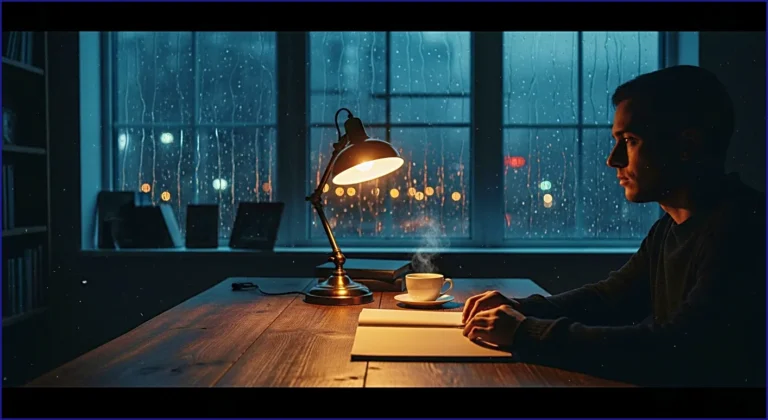
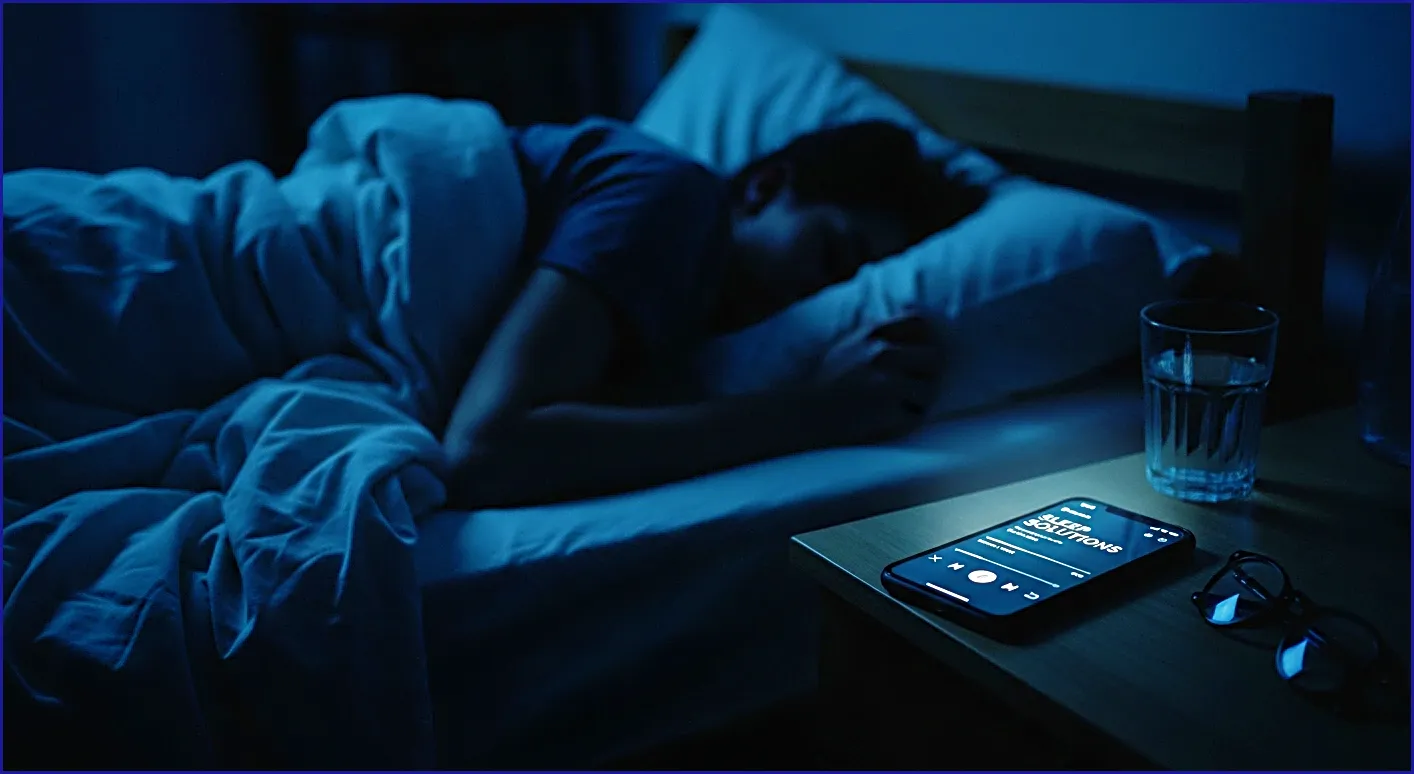
It feels like a harmless habit. You get into bed, the lights go out, and the silence of the room feels too loud. Your mind starts racing with tomorrow’s to-do list. To stop the anxiety, you put on a podcast, a YouTube essay, or an audiobook.
You listen to the soothing voice of the host. It distracts you. Ten minutes later, you drift off to sleep. You think you have solved your insomnia.
But you wake up feeling like you were hit by a truck. Your eyes are heavy, your brain is sluggish, and you need three cups of coffee just to function. You slept for eight hours, but your brain didn’t rest for a single minute.

The Language Center Never Sleeps
Here is the brutal neurological truth: The human brain is hardwired to process language above all other sounds.
When you fall asleep to a podcast, your conscious mind drifts off, but your auditory cortex and Wernicke’s area (the language processing center) stay wide awake. Even while you are unconscious, your brain is actively analyzing the syntax, the tone, and the meaning of the words coming out of the speaker.
It is treating the podcast like a survival signal. Because your brain is working the night shift to process this information, it refuses to drop into the deepest, most restorative stages of sleep—Delta wave sleep and REM sleep. You are surviving on shallow, fragmented sleep. You are physically lying down, but cognitively, you are still at work.
The Non-Lingual Anchor (The Cure)
If you need sound to fall asleep, you must strip away the language. You need an acoustic anchor that is heavy enough to drown out your own thoughts, but completely devoid of information.
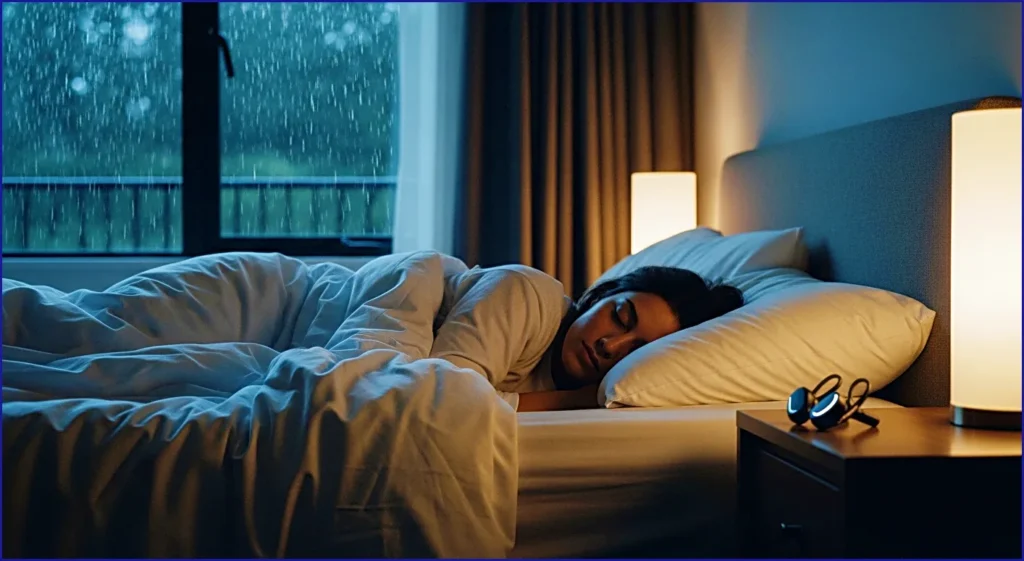
Deep Brown Noise or Heavy Rain are the ultimate sleep signals. They are continuous, predictable, and carry zero linguistic data. Within minutes, your brain realizes there is no information to decode. It stops analyzing. It lets its guard down. The heavy frequencies mask the jarring sounds of the neighborhood, allowing your brainwaves to slow down and sink securely into the deep REM cycles that repair your body and mind.
Stop asking your brain to listen to stories when it needs to heal.
Most premium headphones are built for phone calls. Not cognitive isolation. Throwing money at popular brands is a costly illusion. You need a fortress, not just a speaker.
→[Read: The $400 Mistake – Why premium gear might be ruining your focus]
Related FAQ
Check the actual friction first: sound, light, posture, screen distance, or visual clutter. rain sound volume helps only when it solves the part of the workspace that is breaking focus.
It can help when it makes the first minutes of work easier and reduces repeated distractions. It should support a calmer desk, not become another thing to adjust all day.
Check the actual friction first: sound, light, posture, screen distance, or visual clutter. rain sounds for studying helps only when it solves the part of the workspace that is breaking focus.
It should earn its space. On a small desk, sleep speaker setup needs to reduce friction without adding clutter, cable mess, or another maintenance task.
It can help when it makes the first minutes of work easier and reduces repeated distractions. It should support a calmer desk, not become another thing to adjust all day.
Before You Go
Paid links- Advertisement -