The Daylight Trap
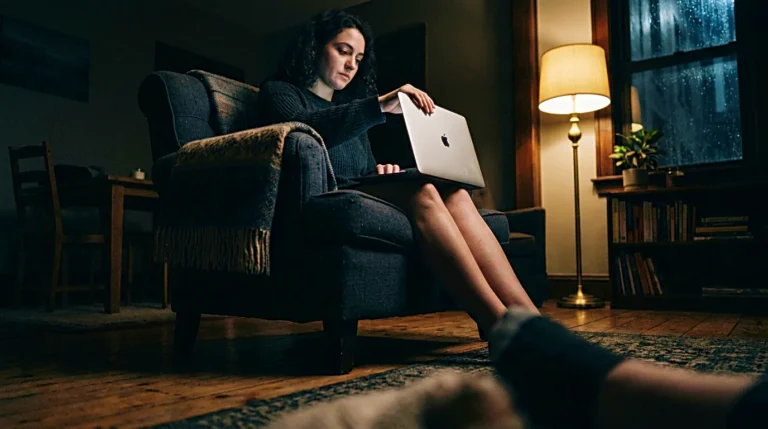
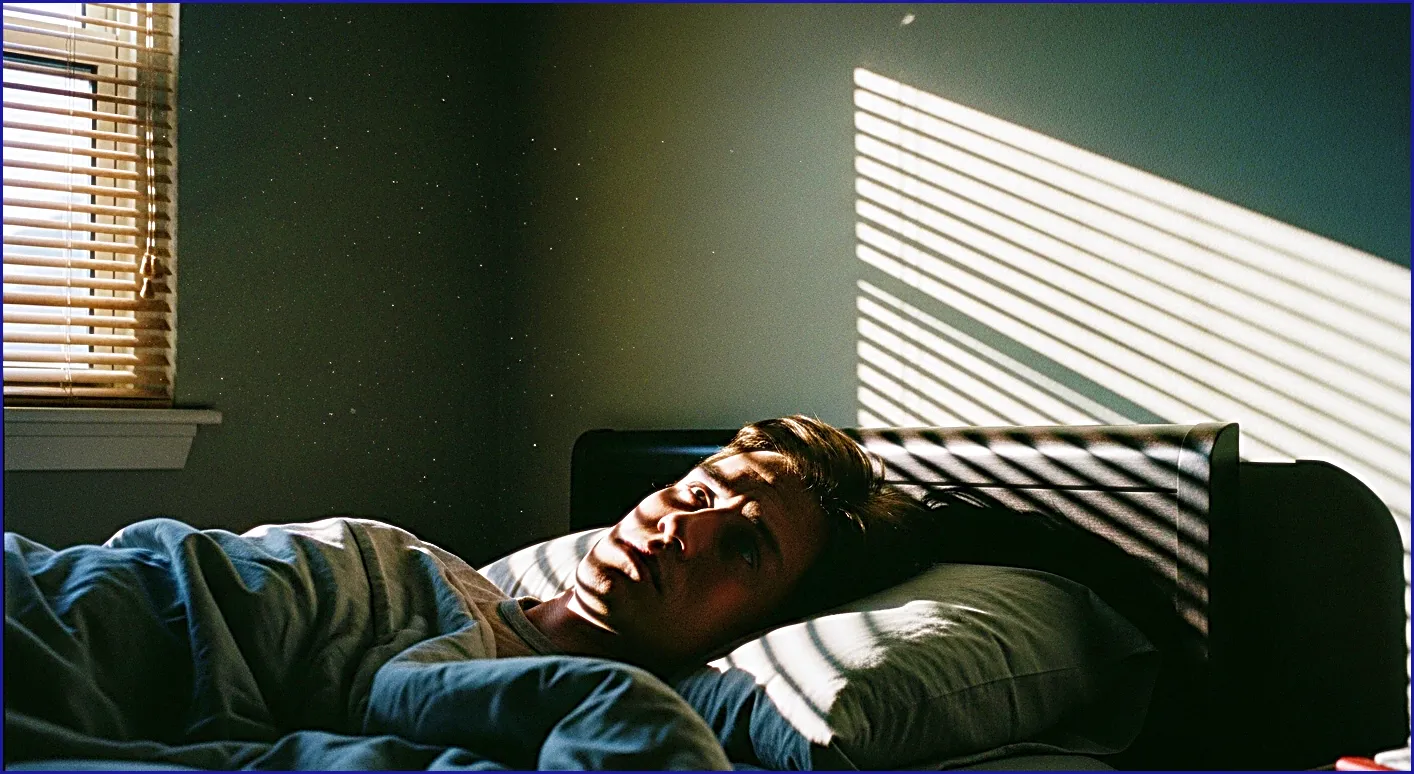
You finally clock out at 8 AM. Exhausted. Ready to collapse. But outside, the world is just waking up.
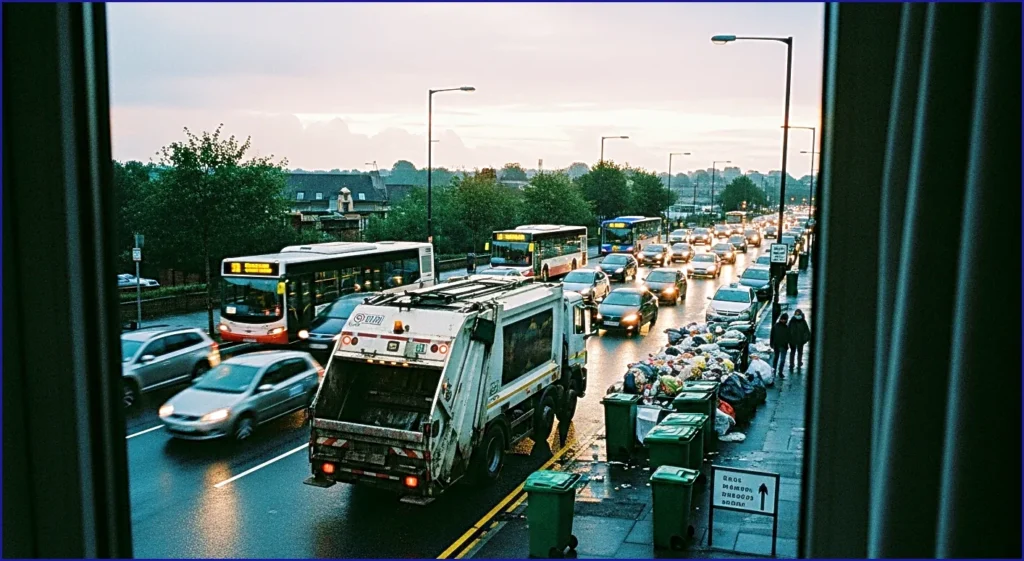
A neighbor’s dog starts barking, followed immediately by the grinding roar of a garbage truck. Standard sleep advice feels like a cruel joke right now. Drinking chamomile tea won’t save you from a construction site across the street. You aren’t just fighting insomnia; you are at war with society’s entire schedule. Your bedroom feels less like a sanctuary and more like a battlefiel
The Circadian Vulnerability
Your internal clock is broken. It knows it is daytime. Because of this, when you try to sleep while the sun is up, your brain becomes hyper-sensitive to external stimuli. It is literally waiting for a reason to wake you up.
A car horn isn’t just loud—it’s a biological alarm. It rips you out of light sleep, preventing you from ever reaching the deep, restorative REM cycles your body desperately needs. You wake up feeling like a zombie, with aching joints and a throbbing head. This isn’t a sleep disorder. This is environmental sabotage.
The Heavy Frequencies
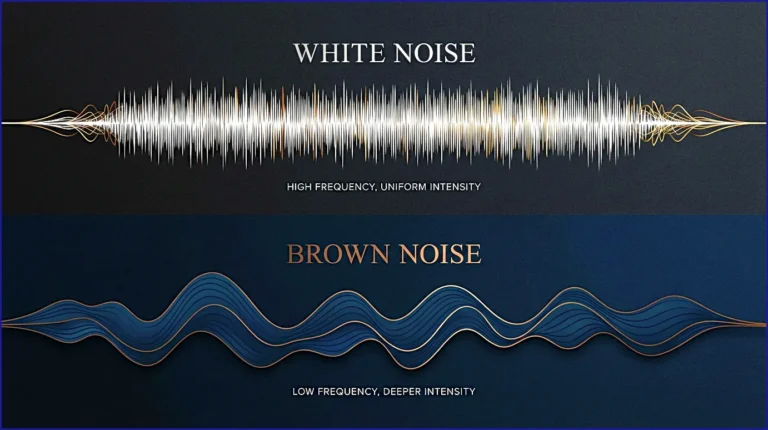
Standard white noise is far too thin. It sounds like static on a broken TV, often inducing more anxiety than relaxation. You need weight. You need depth.
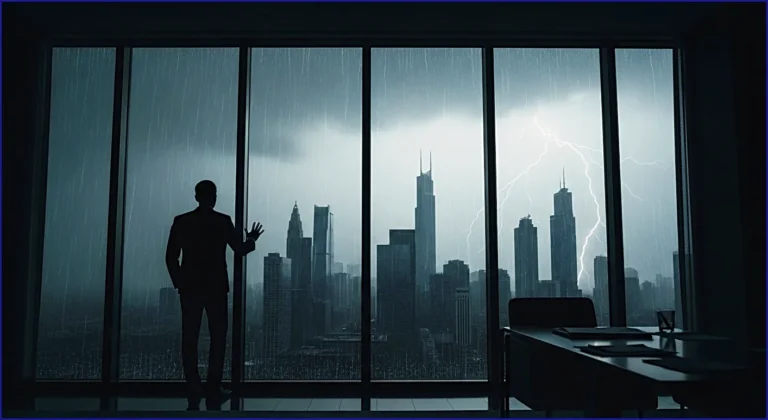
The low-frequency rumble of heavy rain and distant thunder acts as a massive sonic blanket. It physically masks the high-frequency street noise, completely absorbing the sharp barks and engine roars. By creating a false acoustic night, it tricks your brain into believing a massive storm is rolling in—signaling that it is finally safe to shut down.

The Absolute Dark Room
Shift workers cannot afford a single photon of light. If your phone screen lights up to load the next video, your brain stops producing melatonin instantly. Standard YouTube videos are a trap.
You need absolute darkness. A 10-hour black screen sleep feed delivers those heavy frequencies without ruining your room’s pitch-black environment. No glowing screens. No visual interruptions. Just ten hours of deep, uninterrupted acoustic darkness.
The Director’s Prescription
Your brain cannot ignore unpredictable sounds. It is hardwired for survival. To trick it into deep rest, you must alter your physical reality. We broke down the exact physics of how to do it. → [Learn about the only acoustic setups that truly eliminate background noise]
Related FAQ
It belongs before the work becomes complicated. deep work environment should make it easier to start, continue, or recover from a session without adding more mental noise.
It belongs before the work becomes complicated. background noise for work should make it easier to start, continue, or recover from a session without adding more mental noise.
Check the actual friction first: sound, light, posture, screen distance, or visual clutter. rain sounds for studying helps only when it solves the part of the workspace that is breaking focus.
Comfort usually decides whether the setup is used consistently. Specs matter, but acoustic environment should first fit the body, room, and work session.
Check the actual friction first: sound, light, posture, screen distance, or visual clutter. rain sound volume helps only when it solves the part of the workspace that is breaking focus.
Before You Go
Paid links- Advertisement -