
Not all frequencies heal.
High-pitched, erratic sounds slice right through our calm. A screeching tire or a shrill smartphone alarm instantly spikes cortisol, preparing the fragile human body for an immediate, life-threatening crisis.
But there is a specific, guttural rumble that does the exact opposite.
The 40Hz Biohack

Deep, distant thunder—hovering right around the magical 40Hz frequency range—vibrates physically through the body.
It doesn’t just enter your ears; it resonates deep within your chest cavity. This low-frequency vibration directly triggers vagus nerve stimulation, activating the master controller of your parasympathetic nervous system. It acts as a deep tissue massage for an overworked, over-caffeinated brain.
It literally forces your racing heart rate to slow down. It commands your tense muscles to finally uncoil.
Stop Guessing, Start Measuring
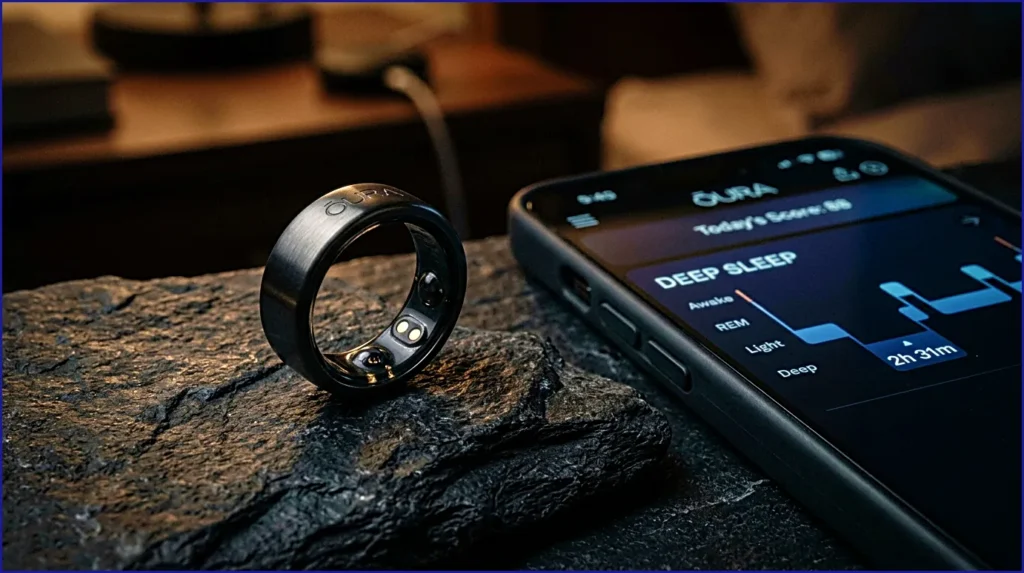
This is not magic, nor is it a placebo. It is the core of modern biohacking.
But how do you know if the audio is actually rewiring your nervous system? You stop guessing and start measuring. This is precisely why the Oura Ring 4 has revolutionized acoustic therapy. By wearing this ultra-lightweight titanium ring, you can track your heart rate variability (HRV) and deep sleep cycles in real-time.
Play our heavy thunder tracks before bed, and watch the Oura Ring data prove the physiological shift the next morning.
Designing Your Recovery

We didn’t just record a random storm and hit upload.
We meticulously calculated the perceived distance of the thunderclaps. We actively softened the sharp, startling high-end strikes that cause microscopic stress responses. What remains is only the heavy, comforting echo.
In a world that constantly demands your peak alertness, this specific acoustic signature gives your biology permission to safely shut down. Immerse yourself in the frequencies that actually speak to your nervous system.
Explore the Oura Ring 4 Smart Ring
Related FAQ
It belongs before the work becomes complicated. deep work environment should make it easier to start, continue, or recover from a session without adding more mental noise.
The quiet mistake is buying for the ideal desk instead of the real room. A useful setup starts with how the space sounds, feels, and behaves during actual work.
Check the actual friction first: sound, light, posture, screen distance, or visual clutter. rain sounds for studying helps only when it solves the part of the workspace that is breaking focus.
Check the actual friction first: sound, light, posture, screen distance, or visual clutter. morning work routine helps only when it solves the part of the workspace that is breaking focus.
Check the actual friction first: sound, light, posture, screen distance, or visual clutter. rain sound volume helps only when it solves the part of the workspace that is breaking focus.
Before You Go
Paid links- Advertisement -