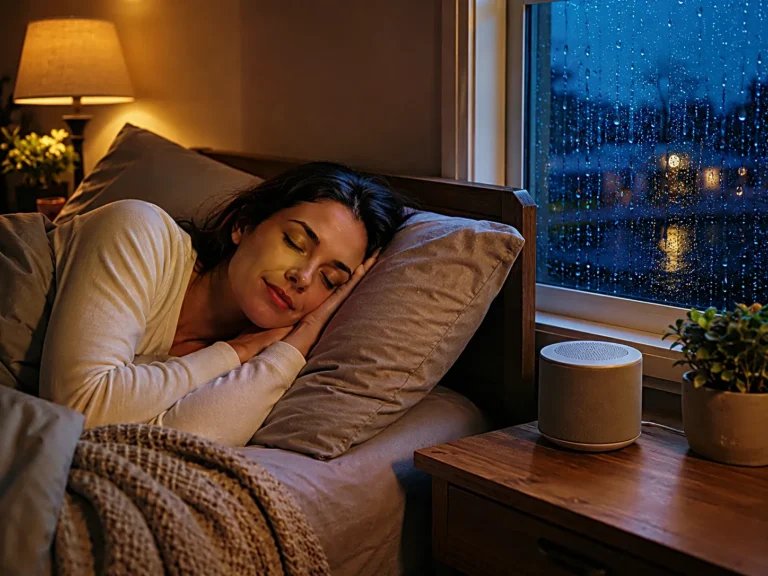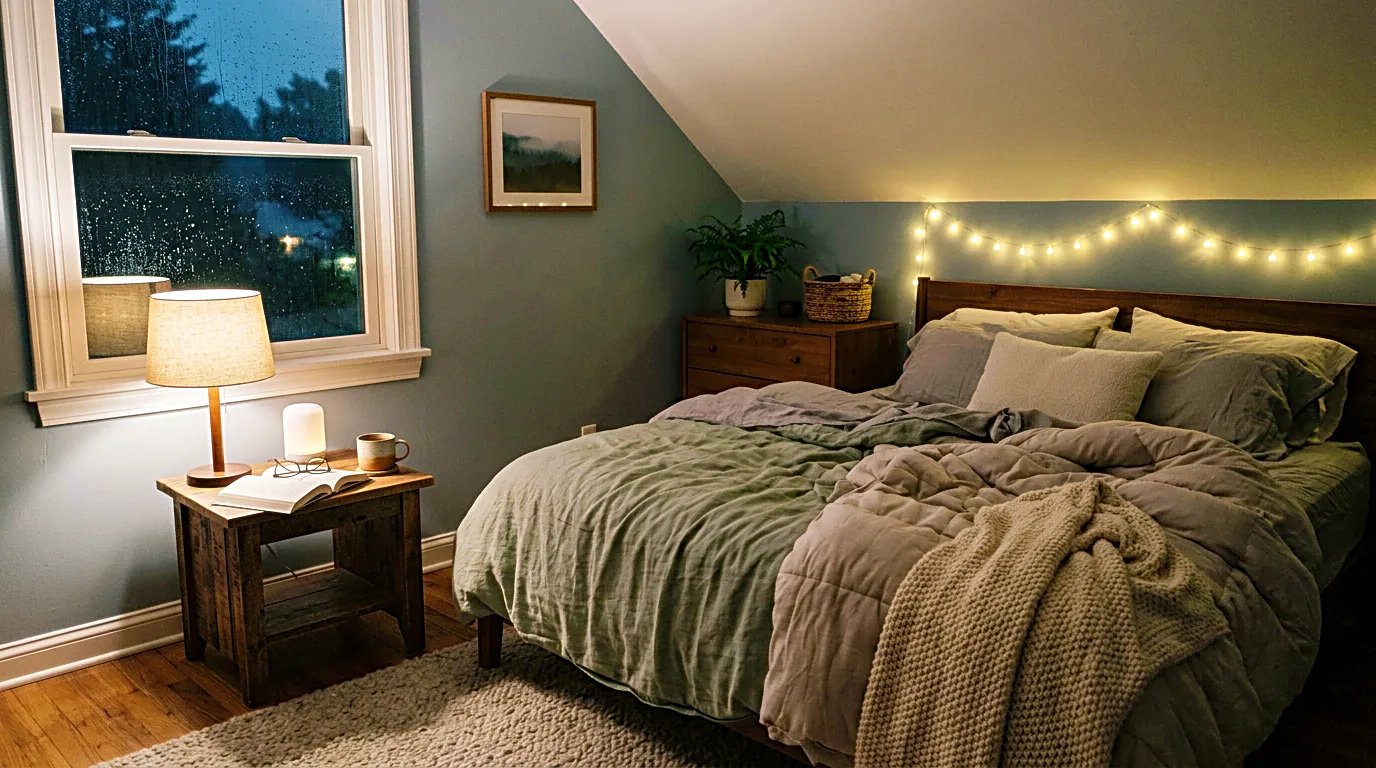
The rain sound was already playing. The room was dark enough, the blanket was in place, and the phone was lying beside the pillow. Everything looked ready for sleep.
But the body was still awake.
The sound was not the problem at first. It was soft, steady, and calm. The problem was everything around it. A bright screen had just been closed. A message was still half remembered. The room felt quiet, but the mind had not arrived there yet.
That is one reason rain sounds for sleep can feel different from night to night. The same track may feel peaceful on one evening and strangely useless on another. Sometimes the sound has changed. More often, the room has not been prepared for it.
Rain sounds can help sleep feel easier, but they work best when the room is already moving in the same direction.
The track is not the whole sleep routine
It is easy to treat rain sounds like a switch. Press play, close your eyes, and wait for sleep to come. Some nights, that works well enough. The sound fills the empty space, softens the room, and gives the mind something gentle to rest against. But on other nights, the sound plays in the background while the body stays tense and the thoughts keep moving.
That does not always mean the track is wrong. It may mean the rain sound is being asked to do too much. A sleep sound can cover sharp silence, reduce small background noises, and make the room feel more stable. It cannot undo a bright screen, a stressful message, or a mind still in work mode. If the bedroom is still full of signals that say stay alert, even the calmest rain sound has to work against them.
Rain sounds for sleep work better when they support a quiet room, not when they are expected to fix a restless one.

The room should get quieter before the sound begins
A bedroom can be physically quiet and still feel loud. A phone on the bed can make the room feel louder. A bright charging light can make it sharper. A laptop left open on the desk can keep part of the day alive. Even a pile of clothes beside the bed can quietly remind the mind that something is unfinished.
These things are not dramatic, which is why they are easy to ignore. But sleep is often disturbed by small signals, not only big noises. Before playing rain sounds, it helps to reduce one or two signals that keep the room awake. Turn the phone face down or move it away from the pillow. Close the laptop. Dim the light before the track starts.
The room does not need to become perfect. It only needs to become slightly less busy than it was a few minutes ago. Rain sounds are background, so they need space to settle instead of a room still competing with the day.
The phone should not be part of the pillow
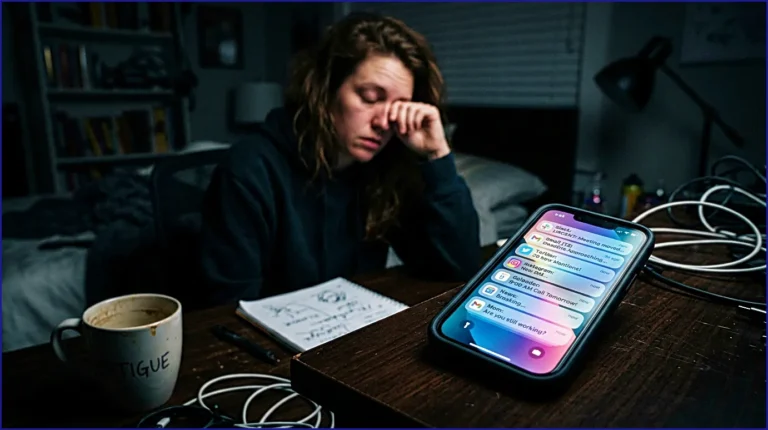
The phone is often the last object touched before sleep, which makes it powerful. Even after the screen turns off, the hand remembers where it is. The mind knows it can check one more thing. A message, a video, a comment, a headline. The phone may stay silent, but the possibility of touching it remains open.
When rain sounds are played from the same phone, the problem becomes harder. The device is both the sleep tool and the distraction tool. It is playing a calm sound, but it is also holding every reason to wake the mind again.
This does not mean the phone cannot be used for rain sounds. It just should not become part of the pillow. Place it on a desk, a shelf, or the far side of the room. Keep the sound audible, but make checking the screen slightly inconvenient. A few steps of distance can change the meaning of the phone. It becomes a sound source instead of something waiting in the hand.
The goal is not strict discipline. The goal is to close one easy exit.
The volume should feel lower than you expect
Many people make sleep sounds a little too present at first. That is understandable. If the room feels uncomfortable, the first instinct is to make the sound stronger. Louder rain feels more protective. It fills the space faster and hides small noises more quickly.
But sleep does not always need a strong sound. It often needs a sound that can disappear. If rain sounds are too loud, the mind may start listening to the details, such as the pattern of drops, the movement of water, or the loop point. What began as a background becomes something to follow, and sleep moves farther away.
A better starting point is lower than expected. The sound should be clear enough to soften the room, but not so clear that it becomes the main event. If you can forget it for a few minutes, the volume is probably close to the right place.
The best rain sound for sleep is usually not the most noticeable one. It is the one that makes the room feel softer without asking for attention.
The best track is often the least interesting one
A rain sound can be beautiful and still be bad for sleep. Thunder may feel cinematic. Heavy rain may feel dramatic. A window storm may create a strong atmosphere. These sounds can be useful for focus or relaxation, but sleep asks for something slightly different.
Sleep does not need the sound to be impressive. It needs the sound to become predictable. A track with sudden thunder, changing intensity, sharp water hits, loud wind, or obvious loop points can pull the mind back to listening. The sound may still be calming, but it keeps announcing itself. For sleep, that can be too much.
A softer and more even rain track is often better. Gentle rain on a window, steady rainfall, or a smooth rain ambience without dramatic changes gives the mind a place to rest without giving it a story to follow. Boring can be a compliment here because a boring sleep sound does not mean weak. It means stable, the kind of sound that does not keep asking what happens next.
The light decides how the rain sound feels
Rain sounds change depending on the light in the room. The same track can feel calm under warm dim light and strangely thin under a bright white ceiling light. It can feel comforting when the screen is already off, but distant if the eyes have just been looking into a phone from a few inches away.
Light is one of the strongest signals in a bedroom. If the room still looks like daytime, the sound has to work against the visual environment. Before pressing play, lower the brightness of the room. Use a small lamp instead of the main light. Let the screen go dark before the rain starts, not after.
The question is simple: does the room look like a place where the day is ending? If not, fix the light before changing the track.
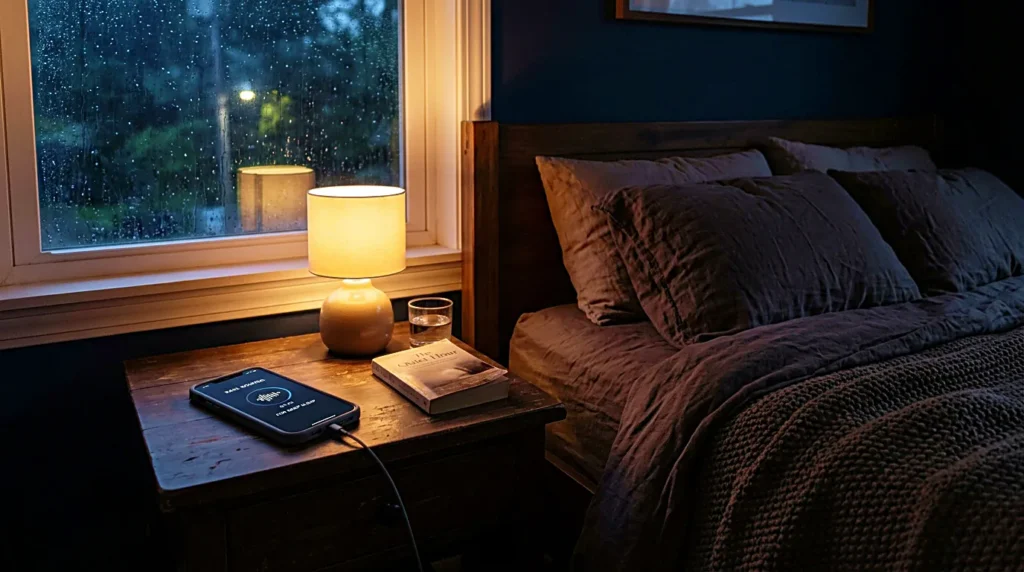
Rain sounds work better when the ending is already decided
One small problem with sleep sounds is that they can turn into another choice. Which track is best? Rain on a tent, rain on a window, rain on a roof, rain with thunder, rain without thunder? The search itself can wake the mind more than the silence did.
That is why it helps to choose before bedtime. Keep one or two sleep tracks ready, not ten and not a playlist that needs checking. One soft rain sound for normal nights and one slightly fuller sound for noisier nights may be enough. The fewer choices left at bedtime, the easier it is for the sound to become part of the routine.
The same applies to the ending. Decide whether the sound will play all night or stop after a timer. Neither is always right. The better choice is the one that creates fewer decisions after you lie down.
The routine should be smaller than sleep
A sleep routine can become too large. Stretching, tea, journaling, dim lights, breathing exercises, fixed bedtime, perfect temperature. All of these can help in the right situation, but together they can become another task list. When the routine feels too heavy, it is easy to skip.
Rain sounds for sleep do not need a complicated ritual around them. A small routine is easier to repeat. Some nights will still be difficult. Sleep is not something a sound can force, but the room can stop making it harder.
Rain sounds work best when they are not the only quiet thing in the room. Set the room first, then let the track play. Sleep has a softer place to begin.
Related FAQ
Check the actual friction first: sound, light, posture, screen distance, or visual clutter. rain sound volume helps only when it solves the part of the workspace that is breaking focus.
Comfort usually decides whether the setup is used consistently. Specs matter, but small room sound should first fit the body, room, and work session.
Check the actual friction first: sound, light, posture, screen distance, or visual clutter. rain sounds for studying helps only when it solves the part of the workspace that is breaking focus.
It can help when it makes the first minutes of work easier and reduces repeated distractions. It should support a calmer desk, not become another thing to adjust all day.
It may help when the problem is tied to light, sound, posture, or screen habits. If the fatigue comes from schedule or overload, the setup should be paired with a clearer break routine.
Before You Go
Paid links- Advertisement -