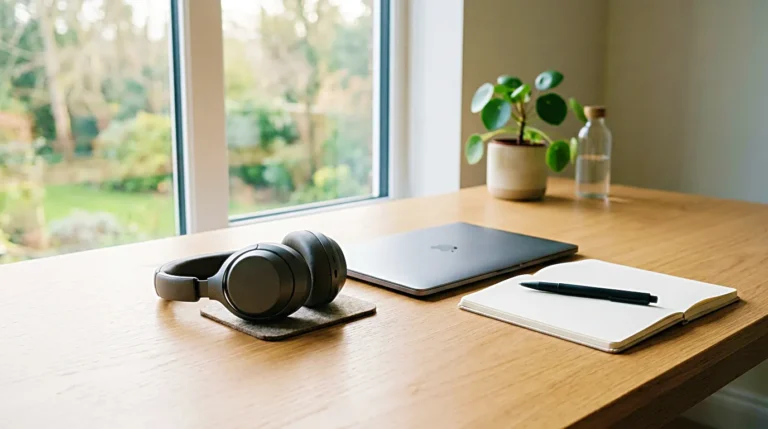
Headphones for sleeping sound simple at first.
Put them on, play rain sounds or white noise, and let the room disappear.
But sleep is different from regular listening. A headphone that feels fine at a desk can feel too firm in bed. A pair that blocks noise well can press against the ear. A model that sounds good for music can feel too close when the room is dark and quiet.
That is why headphones for sleeping need comfort before noise blocking.
The sound matters. Noise reduction matters. But if the headphone keeps reminding you that it is there, it is not really helping sleep.
A sleep headphone has one quiet job.
It should become easy to forget.
Why Headphones for Sleeping Need Comfort First
Headphones for sleeping are not judged the same way as everyday headphones.
Regular headphones can be judged by sound quality, bass, clarity, noise cancelling, battery life, or microphone performance. Sleep headphones need those things less urgently. The first question is simpler.
Can you lie down with them and stop noticing them?
That question changes the whole buying decision. A strong clamp may be fine for commuting, but too much in bed. A thick earcup may sound full, but create pressure when your head touches the pillow. A bright sound profile may feel detailed for music, but too sharp for sleep sounds.
Comfort is not a bonus here.
It is the main feature.
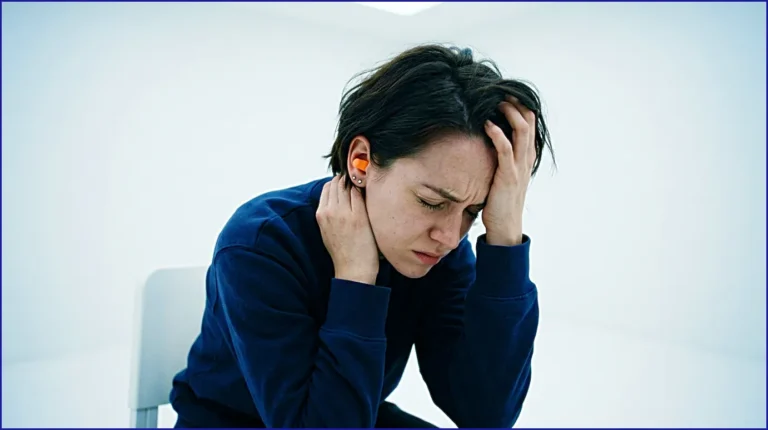
If the headphone creates pressure, heat, cable irritation, or the feeling that your head position is restricted, sleep becomes harder. The best sleep headphones should make the room feel easier without adding another physical problem.
Sleep Headphones Should Not Feel Like Work Gear
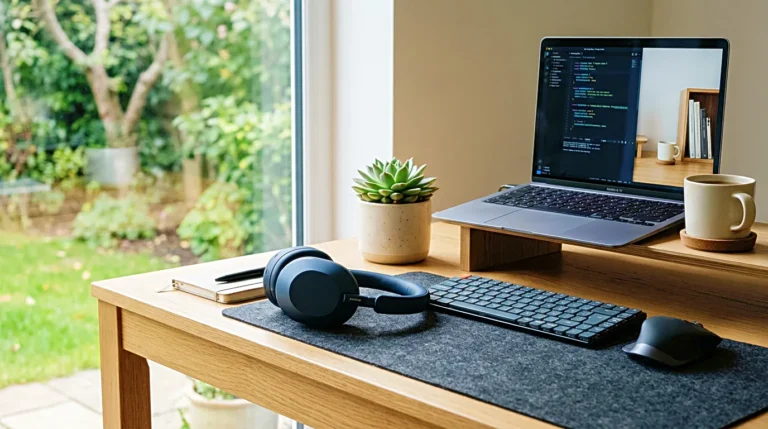
Many people try to sleep with the headphones they already use for work.
Sometimes that works. Often it does not.
Work headphones are usually designed for focus, calls, travel, or noise control. They may have firm padding, larger earcups, strong noise cancelling, and a fit made for sitting upright. In bed, those same features can become uncomfortable.
Sleep headphones need a softer standard.
They should not feel like equipment. They should not make the pillow harder to use. They should not make you adjust your head again and again. The more you manage the headphone, the less it works as a sleep tool.
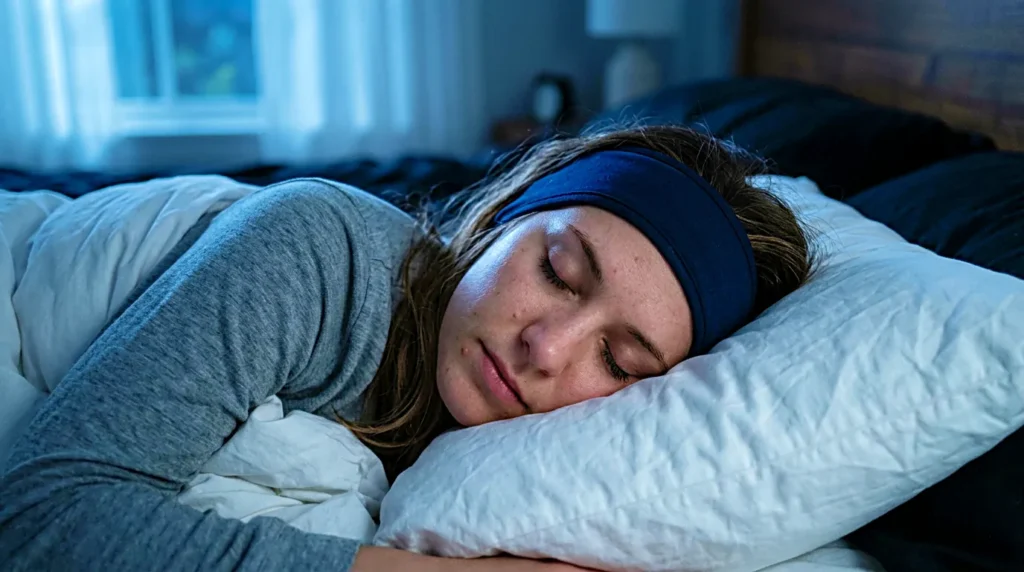
This is why sleep-specific designs exist. Some are thin headband styles. Some are soft fabric headphones. Some are small earbuds. Some people prefer no headphones at all and use a speaker instead.
The right choice depends less on the product category and more on how you actually sleep.
Noise Blocking Is Not Always the First Problem
It is easy to think the best headphones for sleeping are the ones that block the most noise.
But that is not always true.
Strong noise blocking can help in noisy apartments, shared rooms, travel, or places where sudden sounds keep breaking sleep. But if the room is already fairly quiet, maximum isolation may not be necessary. In some cases, aggressive noise cancelling can even feel strange or create a pressure sensation for certain users.
The real problem may not be noise volume.
It may be noise contrast.
A small sound feels bigger when the room is completely silent. Rain sounds, white noise for sleep, or brown noise can reduce that contrast without requiring the strongest possible noise blocking. In that case, comfort and low volume playback may matter more than isolation.
Before buying, define the problem clearly.
Are you trying to block voices?
Soften small apartment noise?
Avoid bothering someone else?
Listen to rain sounds without using a speaker?
Stop silence from feeling too empty?
Different problems need different headphones.
Side Sleepers Need a Different Kind of Headphone
Side sleepers need to be more careful.
A headphone can feel comfortable while sitting up and still fail the moment you turn sideways. The pillow pushes the ear. The earcup presses back. The cable shifts. The earbud digs in. The headband moves. Small pressure becomes impossible to ignore.
For side sleepers, thickness matters.
A thin profile is usually more important than powerful sound. Soft material matters. Stable fit matters. A smooth shape matters. If a headphone creates a pressure point on the ear, jaw, or side of the head, it may not work for sleep even if the audio quality is good.
This is why many side sleepers prefer flat sleep headphones, soft headband speakers, or very small earbuds. Others avoid headphones and use a bedside speaker at low volume.
The best headphone for side sleeping is not the one with the most features.
It is the one that lets the pillow stay comfortable.
Volume Matters More When the Sound Is Close
Headphones place sound very close to the ear.
That makes volume more important.
With a speaker, rain sounds or white noise can fill the room softly. With headphones, the sound is placed directly around you. A volume that feels gentle through a speaker may feel too close through headphones.
For sleep, lower is usually better.
The sound should not cover the mind completely. It should sit lightly enough that you can stop following it. If rain sounds feel too detailed, lower the volume. If white noise feels sharp, try brown noise or a softer rain track. If the sound still feels too close, a speaker may be better.
The point is not to push audio into sleep.
The point is to make the room easier to rest in.
A sleep headphone should support quiet, not compete with it.
Noise Cancelling Headphones Can Help But They Are Not Always Ideal
Noise cancelling headphones can be useful for sleep in certain situations.
They may help with steady background noise, travel noise, air conditioning, distant traffic, or shared environments. They can create a more controlled sound space, especially when paired with soft sleep sounds.
But they are not automatically the best headphones for sleeping.
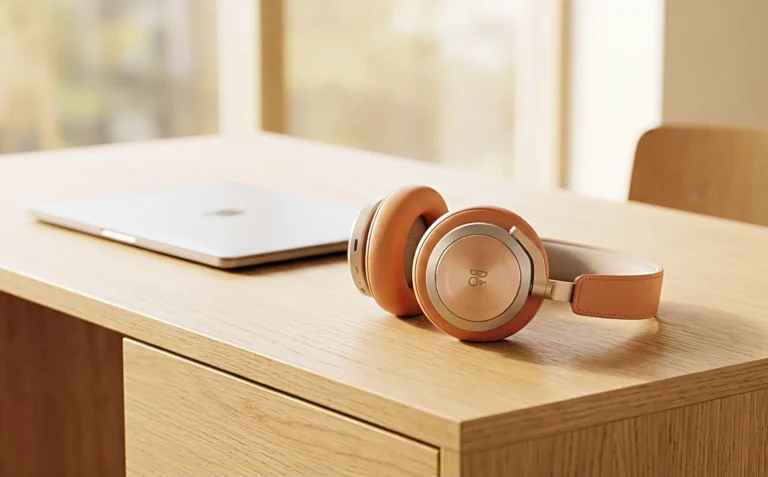
Some models are too bulky. Some feel warm. Some create pressure. Some have lights, touch controls, battery alerts, or connection sounds that are not ideal at night. A feature that feels convenient during the day can become irritating in bed.
Noise cancelling is most helpful when outside sound is the main issue.
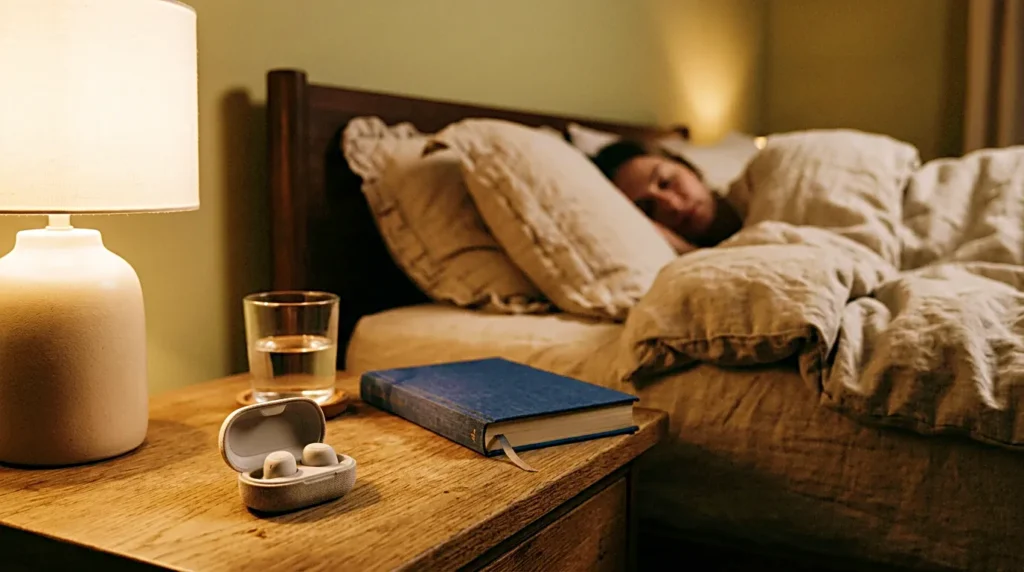
If the main issue is comfort, silence, or a restless bedtime routine, a softer setup may work better. That could mean thin sleep headphones, a small speaker, earplugs, or rain sounds played quietly in the room.
The strongest feature is not always the right feature.
Sleep usually rewards the setup that creates the least friction.
Speakers May Be Better Than Headphones in Some Bedrooms
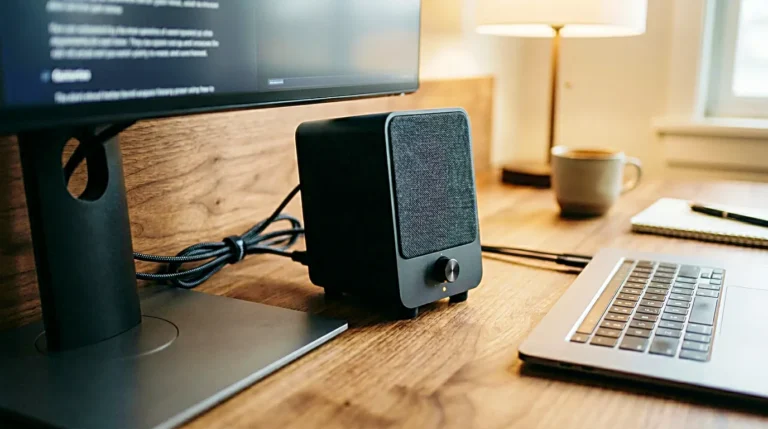
Headphones are not the only way to listen to sleep sounds.
In some bedrooms, a small speaker is better.
A speaker lets rain sounds or white noise become part of the room instead of sitting directly in the ear. There is no pressure on the head. No earbuds to adjust. No cable to manage. No ear heat. No pillow conflict.
This can be especially useful if you sleep alone or if the sound will not disturb someone nearby.
Speakers also make rain sounds feel more natural for many people. The sound comes from the room, not from inside the head. That can make the night feel softer and less concentrated.
Headphones are better when privacy matters, when a partner does not want sound in the room, or when outside noise needs more control. Speakers are better when comfort and room atmosphere matter more.
The best setup is not the most advanced one.
It is the one you can sleep with consistently.
What to Check Before Buying Headphones for Sleeping
Before buying headphones for sleeping, check the sleep position first.
Back sleepers have more options. Side sleepers need thinner and softer designs. People who move a lot during sleep may need something more stable. People sensitive to pressure may want to avoid bulky headphones completely.
Then check comfort details.
How thick are they?
Do they press on the ear?
Is there a cable?
Will the material feel warm?
Can the volume be controlled easily?
Are there bright lights or alert sounds?
Can they play at very low volume without hiss or harshness?
These details matter because sleep is not a short test.
A headphone may feel fine for three minutes and annoying after thirty. It may feel comfortable before bed and distracting at 3 a.m. That is why the buying decision should be slower than a normal headphone purchase.
For sleep gear, small discomfort becomes large.
Sleep Sounds Should Stay Simple Through Headphones
Not every sound works well through sleep headphones.
Detailed audio can feel too close. Sharp rain can feel busy. Bright white noise can become irritating. Music can carry emotion or memory. Podcasts can keep the language part of the mind active.
Simple sounds usually work better.
Soft rain. Low brown noise. Gentle white noise. A steady room tone. Something that does not change suddenly and does not ask for attention.
This matters even more with headphones because the sound is private and close. There is less room for the audio to blend naturally into the environment. The headphone brings the sound directly to you.
A good sleep sound should not feel like content.
It should feel like a background.
If you keep listening to it, the sound may be too interesting for sleep.
The Best Sleep Headphones Are the Ones You Stop Noticing
The best headphones for sleeping are not always the most expensive.
They are not always the strongest noise blockers. They are not always the best sounding headphones in a traditional review. They are the ones that fit your sleep position, your room, your sound preference, and your tolerance for pressure.
That makes the decision personal.
Some people need noise cancelling. Some need a soft headband. Some need tiny earbuds. Some need a speaker instead. Some need silence.
The right setup should make bedtime feel easier, not more technical.
If the headphone helps the room feel softer and then disappears from attention, it is doing its job. If it makes you adjust, compare, think, or manage one more thing, it may not be the right sleep tool.
Sleep does not need impressive gear.
It needs less friction.
And when headphones for sleeping are chosen well, they do not feel like headphones anymore.
They feel like one less thing keeping the night awake.
Related FAQ
Check the real use case first. headphone stand should solve a repeated work, focus, recording, or rest problem before specs or discounts decide the purchase.
Check the real use case first. headphones for sleeping should solve a repeated work, focus, recording, or rest problem before specs or discounts decide the purchase.
Price matters, but comfort and fit decide whether Bose headphones will be used every day. A cheaper item that solves the real problem can be better than a premium product that does not fit the setup.
Avoid buying from a list before defining the problem. budget headphones should be chosen after the room, desk, workflow, and budget are clear.
It is a good topic when it connects to focus, creator workflow, desk comfort, sound, or rest. The guide should help the reader choose more calmly.
Before You Go
Paid links- Advertisement -