Noise cancelling headphones sound like a clean solution.
Put them on, block the room, and get back to work.
That idea is easy to like. A noisy room feels smaller when the sound drops away. The keyboard feels closer. The screen feels easier to stay with. For a few minutes, noise cancelling headphones can make work feel possible again.
But not every workday needs that much blocking.
Sometimes the problem is noise. Sometimes it is fatigue. Sometimes it is the desk. Sometimes it is the task itself. A headphone can reduce sound, but it cannot decide what you should work on next.
That is why noise cancelling headphones should be chosen carefully.
They can help focus.
They just should not become the only focus strategy.
Why Noise Cancelling Headphones Help Focus
Noise cancelling headphones can help because they reduce part of the room before the work even starts.
That matters when the room keeps pulling attention away. Air conditioners, traffic, fans, distant machines, café hum, and office background noise can all create small interruptions. Even when those sounds are not loud, they can keep the mind checking the room again and again.
Good noise cancelling headphones lower that background.
The result is not always silence. It is usually less contrast. The room feels flatter. Sudden sounds stand out less. A steady background becomes easier to ignore. For some people, that is enough to make reading, writing, editing, or planning feel calmer.
Focus often improves when the environment asks for less attention.
That is the real value of noise cancelling headphones for work. They do not create discipline by themselves. They reduce one layer of friction so the work has a better chance to start.
Noise Cancelling Headphones Are Not Always the First Fix
Noise cancelling headphones are useful, but they are not always the first thing to fix.
If the task is unclear, headphones will not solve it. If the desk is covered with distractions, the room may still feel busy. If notifications keep opening, outside noise may not be the main problem. If you are already tired, stronger isolation can sometimes make the day feel heavier.
This is why the buying decision should start with the work environment.
Before looking for the best noise cancelling headphones, it helps to ask what kind of noise is actually breaking focus. Is it steady background sound? Sudden voices? Street noise? A shared office? Family noise at home? A laptop fan? Music from another room?
Different noise problems need different solutions.
Noise cancelling headphones are strongest when the sound is steady and predictable. They are less perfect when the problem is speech, sudden movement, or emotional interruption. Knowing that before buying can prevent disappointment.
The first question is not which headphone blocks the most.
The first question is what kind of noise keeps interrupting the work.
Voices Are Harder to Remove Than Steady Noise
Voices are one of the hardest sounds to ignore.
A fan can fade into the background. Rain can become soft. Traffic can turn into a distant layer. But voices carry meaning. Even when you do not want to listen, the mind may still catch words, tone, emotion, or rhythm.
Noise cancelling headphones can reduce voices, but they usually do not erase them completely.
This matters for work.
If the main problem is office conversation, café chatter, or people talking nearby, noise cancelling alone may not be enough. Some users pair noise cancelling with low-volume brown noise, white noise, rain sounds, or instrumental sound. Others move rooms, change work hours, or use earplugs when speech is the real issue.
That does not make noise cancelling headphones useless.
It just means the expectation should be realistic.
They can make voices less sharp. They can lower the room. They can help you stay with the screen longer. But if the conversation is close and clear, the headphone may not make it disappear.
For work focus, reducing distraction is often enough.
Complete silence is not always possible.
Comfort Matters More Than Maximum Noise Blocking
A headphone that blocks noise well can still fail as a work tool.
Comfort decides how long you can actually wear it.
Strong clamping force may improve isolation, but it can create pressure after an hour. Thick padding can feel soft at first, then warm later. A heavy design may sound better, but make long sessions uncomfortable. A tight seal can help noise cancelling, but feel tiring if you are sensitive to pressure.
This is why maximum noise blocking is not always the best target.
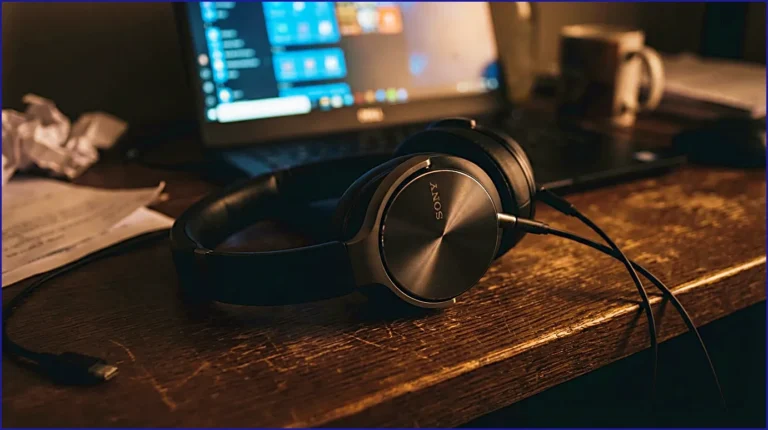
For work, the best noise cancelling headphones are the ones you can forget for a while. They should not make you adjust the headband every few minutes. They should not make the ears hot too quickly. They should not create pressure that becomes more distracting than the original sound.
Comfort is not a small detail.
It is part of focus.
If the headphone keeps asking for attention, it has become another interruption.
Pressure Sensation Can Change the Experience
Some people feel pressure when using noise cancelling headphones.
It can feel like fullness in the ears, a sealed room effect, or a strange sense of heaviness. Not everyone experiences this, and it varies by model. But it is important enough to consider before buying.
This pressure feeling can matter during long work sessions.
A short test in a store may feel fine. Thirty minutes at a desk may still feel fine. Two or three hours of writing, editing, or analysis can feel different. The more sensitive you are to pressure, heat, or enclosed sound, the more carefully you should choose.
Noise cancelling strength is not the only setting that matters.
Some headphones allow adjustable noise cancelling. Some have transparency modes. Some feel lighter even if they block slightly less. For focus, that tradeoff can be worth it.
A slightly softer headphone that you can wear longer may be more useful than a stronger one you remove after twenty minutes.
Noise Cancelling Headphones and Speakers Solve Different Problems
Noise cancelling headphones create a private work space.
Speakers create a room.
That difference matters.
If you need to block outside sound, headphones make sense. If you need privacy in a shared space, they are useful. If you work in a noisy environment and cannot change the room, noise cancelling can help reduce the feeling of being surrounded.
But speakers can be better when the room is already quiet.
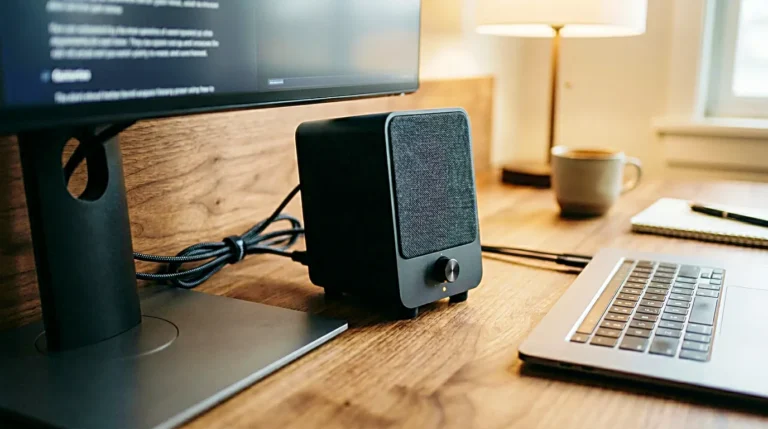
Soft desk speakers with rain sounds, brown noise, or low background audio can make the workspace feel calm without putting pressure on the head. They can also feel more natural for long writing or planning sessions because the sound is around you, not directly on you.
Neither option is always better.
They simply solve different problems.
Headphones are better for control. Speakers are better for comfort and room atmosphere. A good desk setup may use both, depending on the day.
Battery Alerts and Controls Matter More Than They Seem
Small details matter when headphones become part of the workday.
Battery alerts, voice prompts, touch controls, Bluetooth switching, auto-pause, app settings, and connection sounds can all affect the experience. These features look minor on a product page, but they can become noticeable during focused work.
A headphone that keeps announcing battery level can break concentration.
Touch controls can be convenient, but accidental taps can be irritating. Multi-device switching can help if it works smoothly, but distract if it keeps jumping between laptop and phone. A strong app can be useful, but too many settings may turn a focus tool into another thing to manage.
For work headphones, simple controls are underrated.
Volume, noise cancelling level, transparency mode, and power should be easy to understand. If changing one setting takes too much attention, the headphone is adding friction.
Good work gear should reduce decisions, not create new ones.
Noise Cancelling Headphones for Work Should Fit the Task
Not every work task needs the same sound environment.
Writing may need a softer room. Editing may need more isolation. Reading may work with gentle background sound. Calls need microphone quality and comfort. Design work may need longer wear time. Deep work may need fewer interruptions, but not necessarily total silence.
That is why noise cancelling headphones for work should be matched to the task.
If you take many calls, microphone quality and comfort matter. If you write for long sessions, pressure and heat matter more. If you work in a shared office, voice reduction and transparency mode may be important. If you work at home, the ability to switch between isolation and awareness may matter more than maximum blocking.
The best work noise cancelling headphones are not just the strongest.
They are the ones that fit your usual interruption.
A headphone should match the problem it is solving.
When Noise Cancelling Headphones Can Make Work Feel Too Closed
Noise cancelling can sometimes make work feel too closed.
That sounds strange, but it happens.
When the room becomes too sealed, some people feel more aware of their own thoughts, breathing, or body tension. The outside noise drops, but the internal noise becomes clearer. For certain tasks, that can feel calm. For others, it can feel heavy.
This is where transparency mode or softer background audio can help.
You may not need full noise cancelling all day. You may need it for writing, analysis, or difficult work blocks. Then you may need a more open mode for email, planning, or lighter tasks. Switching between levels can keep the headphone useful without making the whole day feel isolated.
Focus is not always about blocking more.
Sometimes it is about choosing the right amount of distance from the room.
What to Check Before Buying Noise Cancelling Headphones
Before buying noise cancelling headphones, start with the work environment.
Check the main noise problem first. Steady noise, voices, sudden sounds, shared rooms, and travel noise are not the same. A headphone that works well for one may feel disappointing for another.
Then check comfort.
Weight matters. Clamp matters. ear pad size matters. Heat matters. Pressure sensation matters. If you plan to wear the headphone for long work sessions, comfort should sit above maximum noise blocking.
Also check control simplicity.
Can you change noise cancelling strength quickly? Is transparency mode easy to reach? Are there loud voice prompts? Does it connect smoothly to your laptop? Can it handle calls if you need them?
Finally, check whether headphones are really the right tool.
If your room is already quiet, a speaker with soft rain sounds or brown noise may be enough. If your main problem is task overload, a focus timer may help more. If notifications are the issue, changing app settings may do more than changing headphones.
Noise cancelling headphones are useful when noise is the real friction.
They are less useful when the work itself is unclear.
The Right Headphones Make the Workday Quieter
Noise cancelling headphones can help focus.
But they work best when they are treated as one part of the work environment, not the whole solution.
They can lower the room. They can soften steady noise. They can make a shared space feel easier to work in. They can help a difficult session begin with less friction.
But they also need to be comfortable. They need to match the task. They need to handle voices realistically. They need controls that do not interrupt the work they are supposed to protect.
The right headphone does not make the day impressive.
It makes the day quieter.
And for focused work, that may be enough.
Related FAQ
Often, yes. Room size, desk depth, lighting, noise, and how long the item is used can matter more than a general top rating.
Test it in the actual routine it was bought for. A useful product should make work, focus, recording, or rest easier without needing constant adjustment.
Check the real use case first. headphone stand should solve a repeated work, focus, recording, or rest problem before specs or discounts decide the purchase.
It is a good topic when it connects to focus, creator workflow, desk comfort, sound, or rest. The guide should help the reader choose more calmly.
Check the real use case first. headphones for sleeping should solve a repeated work, focus, recording, or rest problem before specs or discounts decide the purchase.
Before You Go
Paid links- Advertisement -