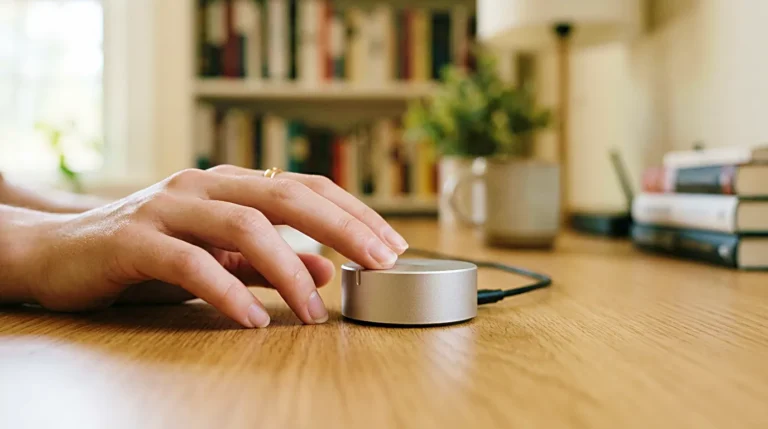
Nothing big happened.
No argument. No deadline crisis. No loud room.
Still, by evening, your mind feels crowded.
That kind of day is confusing. You look back and think: why am I tired? I barely did anything. But the brain does not only get tired from obvious noise. Sometimes it gets tired from small inputs that never fully leave.
A quiet day can still be mentally loud.
Quiet is not the same as calm
A room can be quiet while the mind stays busy.
You may have spent the day answering small messages, switching tabs, checking notifications, choosing what to do next, and holding unfinished tasks in the background. None of it feels dramatic. But together, it adds weight.
The body hears silence. The brain remembers interruptions.
That gap is where evening rest becomes difficult.
You sit down, but the mind keeps moving. It replays conversations. It checks tomorrow. It opens mental tabs you thought you had closed.
That is not weakness. It is residue.
Digital residue stays longer than we think
A notification is small.
But it creates a little readiness. You glance. You answer. You return. Then another alert arrives. Even when nothing is happening, part of the mind stays prepared for the next interruption.
This can continue after the screen is off.
The room is quiet, but your attention still acts as if something might arrive. That is one reason a quiet day can end with a loud brain.
There was no single big stress. There were many small openings. Each one asked for a little attention.
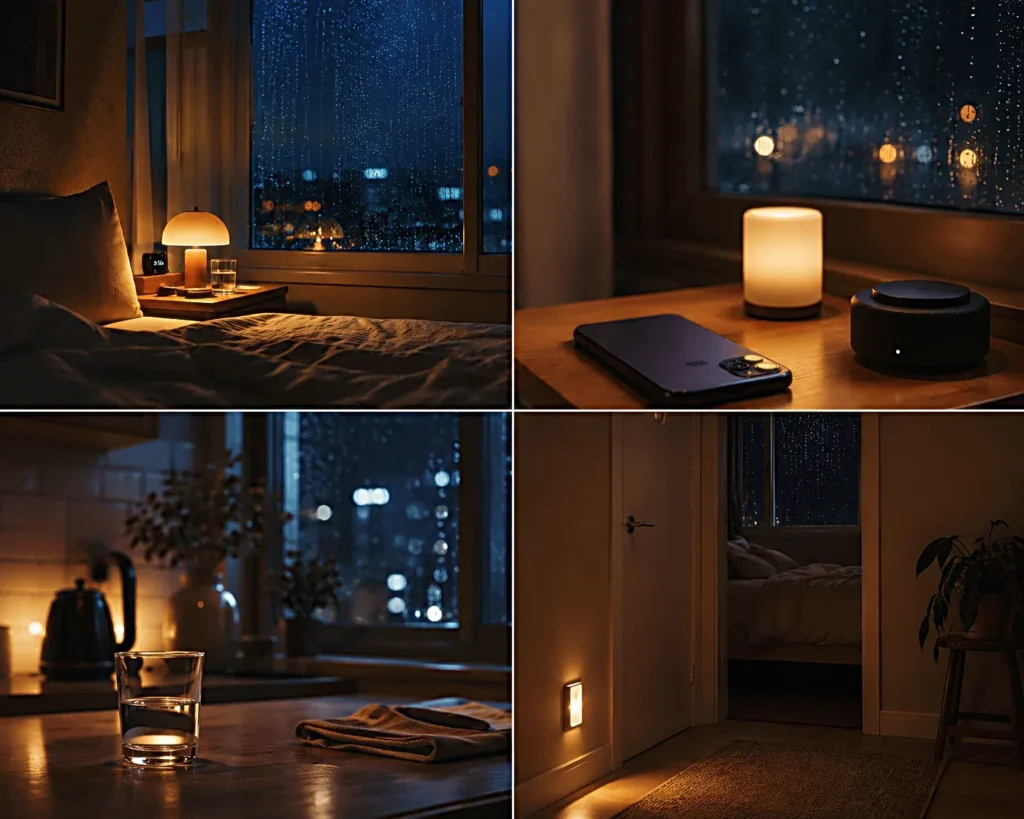
Decision fatigue can feel like noise
Some days are not physically hard. They are full of tiny decisions.
What should I answer first? Should I keep working or rest? What should I eat? Which tab matters? Did I forget something?
The brain does not always separate small decisions from big ones. It keeps track. By evening, the room may be still, but the decision system is tired.
This is why rest can feel strangely difficult.
You want to relax, but relaxing becomes another choice.
What should I watch? What should I listen to? Should I sleep now? Should I clean first?
More decisions. More noise.
The first step is reducing input, not adding more
When the mind feels loud, many people add something.
A video. A podcast. A playlist. Another scroll.
Sometimes that helps for a few minutes. But if the brain is already crowded, more input can keep the loop alive.
A better first step is to remove one sharp thing.
Put the phone face down. Close the laptop. Dim the light. Leave one tab open. Let the room become simpler.
Not perfect. Simpler. That difference matters.
Why soft rain can help the room feel less empty
Some people do not like complete silence after a long day.
Silence can make thoughts feel louder. Every unfinished idea arrives with more space around it. The brain starts filling the room with its own noise.
Soft rain can help because it gives the room a gentle background.
Not entertainment. Not stimulation. Just texture.
A steady rain sound can make the room feel less empty without giving the mind a story to follow. There are no lyrics. No argument. No new information.
Only a stable sound outside the window. That can be enough to begin coming down.
A quiet room reset for a loud brain
Start with five minutes. Not an hour.
Five minutes is small enough to repeat on a tired day.
Turn down the light. Place the phone away from your hand. Start one soft rain sound. Sit without trying to fix the whole day.
If a thought appears, write one word. Not a full journal entry. One word is enough: work, money, message, tomorrow, tired.
Then return to the room.
This gives the thought a place to go without letting it take over the night.
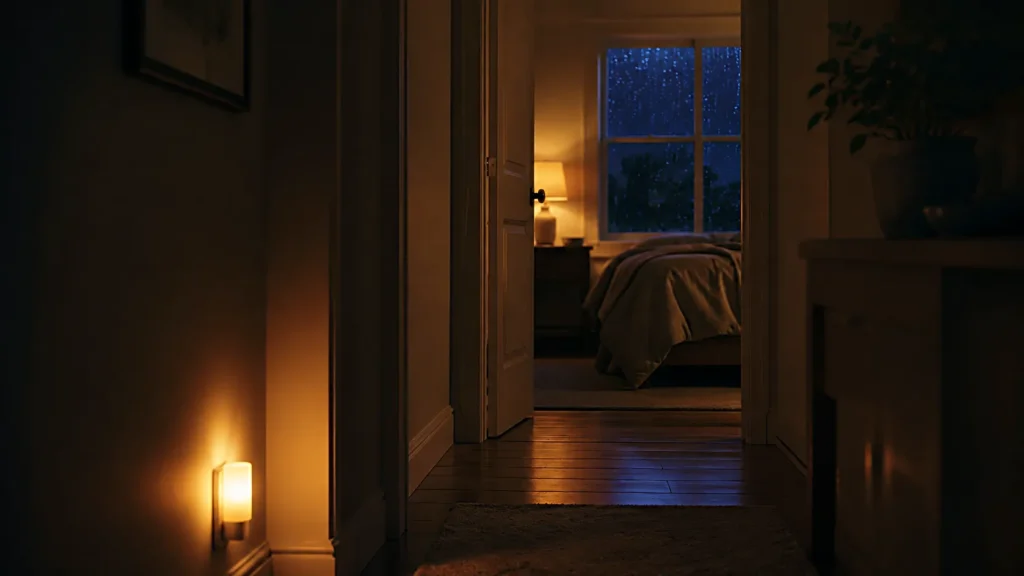
The goal is not to empty the mind
A loud brain does not always need to be forced into silence.
Sometimes it needs fewer things arriving.
There is a difference.
You may not be able to stop every thought. But you can stop adding new ones. That is where the room starts to change.
Less screen. Less choice. Less sudden sound. Less brightness.
A quiet day can still leave a loud mind. So the evening routine should not only be quiet. It should be low-input.
A quieter standard
When your brain feels loud after a quiet day, do not ask only: what stressed me out?
Ask this instead.
“What kept asking for my attention?”
That question is softer. And often more useful.
Tonight, take away one sharp input. Then let the room become small again.
Rain outside. Peace inside.
Read more: A Quiet Room Routine for an Overstimulated Mind · Wellness guides
Related FAQ
Comfort usually decides whether the setup is used consistently. Specs matter, but small room sound should first fit the body, room, and work session.
Check the actual friction first: sound, light, posture, screen distance, or visual clutter. rain sound volume helps only when it solves the part of the workspace that is breaking focus.
It belongs before the work becomes complicated. quiet desk setup should make it easier to start, continue, or recover from a session without adding more mental noise.
It belongs before the work becomes complicated. background noise for work should make it easier to start, continue, or recover from a session without adding more mental noise.
The quiet mistake is buying for the ideal desk instead of the real room. A useful setup starts with how the space sounds, feels, and behaves during actual work.
Before You Go
Paid links- Advertisement -